If your furnace only fails on the coldest night of the year, or your AC quits the same week a heat wave rolls through, you already know how disruptive HVAC problems can be. That's why more homeowners and small business owners in the Triangle area are choosing a single provider for HVAC Maintenance & Tune-Up Service in Cary, NC, rather than juggling separate companies for heating, cooling, and air quality. This guide breaks down what a truly complete HVAC solution looks like, why it saves you money, and how to know when it's time to schedule service.
What "Complete HVAC Solutions" Actually Means
Most people think of HVAC as two separate systems one that heats, one that cools. But a properly maintained home comfort system is really three things working together:
- Heating equipment furnaces, heat pumps, and their related ductwork
- Cooling equipment air conditioners, condensers, and refrigerant lines
- Air quality systems filtration, humidity control, ventilation, and purification
When these three areas are treated as one connected system instead of three separate problems, small issues get caught before they become expensive ones. A dirty filter doesn't just affect air quality — it strains your blower motor, raises your energy bills, and shortens the life of your compressor. That's the core argument for bundled HVAC care: everything in your system affects everything else.
Why Regular HVAC Maintenance & Tune-Up Service in Cary, NC Pays Off
Cary's climate is part of the challenge. Hot, humid summers push air conditioners hard for months at a time, while winter cold snaps demand a lot from furnaces and heat pumps that may sit unused the rest of the year. That kind of seasonal swing is exactly when neglected systems tend to fail.
A professional HVAC maintenance and tune-up service typically includes:
- Inspecting electrical connections and safety controls to catch wiring issues before they cause a breakdown
- Cleaning coils and condensers so the system doesn't have to work harder than necessary
- Checking refrigerant levels to protect compressor life and cooling efficiency
- Testing thermostat calibration to make sure the system cycles correctly
- Replacing or cleaning air filters to protect both equipment and indoor air quality
- Lubricating moving parts to reduce wear on motors and fans
Homeowners often assume maintenance is only worth it once something breaks. In practice, routine tune-ups are one of the few HVAC expenses that consistently pay for themselves — fewer emergency repairs, lower utility bills, and a system that lasts closer to its full expected lifespan.
The Overlooked Piece: Indoor Air Quality
Heating and cooling get most of the attention, but indoor air quality is just as important especially for families with allergies, asthma, or young children, and for small business owners responsible for employee comfort and health.
Dust, pollen, pet dander, and humidity all build up inside a building over time, and a standard HVAC system isn't designed to filter all of it out on its own. Solutions worth discussing with a qualified technician include:
- Whole-home air purifiers that capture particles standard filters miss
- UV light systems that target airborne bacteria and mold spores in ductwork
- Humidity control equipment to prevent the mold growth and discomfort that come with excess moisture
- Ventilation improvements for homes that feel stuffy or have lingering odors
If you've noticed more dust settling around your home, musty smells, or family members with worsening allergy symptoms indoors, that's usually a sign your air quality setup needs a second look not just your filter.
Heating and Cooling: Repair, Replace, or Maintain?
One of the most common questions homeowners and first-time buyers ask is how to know whether a struggling system needs a repair, a full replacement, or just better maintenance. A few general guidelines:
- If the system is under 10 years old and the issue is isolated (a part failure, a thermostat glitch), repair is usually the more cost-effective route.
- If the system is 12–15+ years old and repairs are becoming frequent, it's worth getting a replacement quote older units are often far less energy-efficient than current models.
- If your energy bills have crept up without a clear reason, that's frequently a maintenance issue rather than a sign you need new equipment.
- If you're a first-time homeowner and don't know the age or service history of your system, a full inspection is the fastest way to get a straight answer instead of guessing.
A trustworthy HVAC provider should be able to walk you through this decision honestly, rather than pushing a replacement when a repair or tune-up would solve the problem just as well.
Choosing an HVAC Provider You Can Actually Rely On
Not all HVAC companies offer the same scope of service, and that matters more than most people realize. When comparing providers, look for:
- Licensing and insurance non-negotiable for any work done on your home or business
- Transparent, upfront pricing before any work begins
- Availability for emergencies HVAC failures rarely happen at a convenient time
- Experience across heating, cooling, and air quality rather than just one specialty
- Local knowledge of the climate and housing stock in your specific area
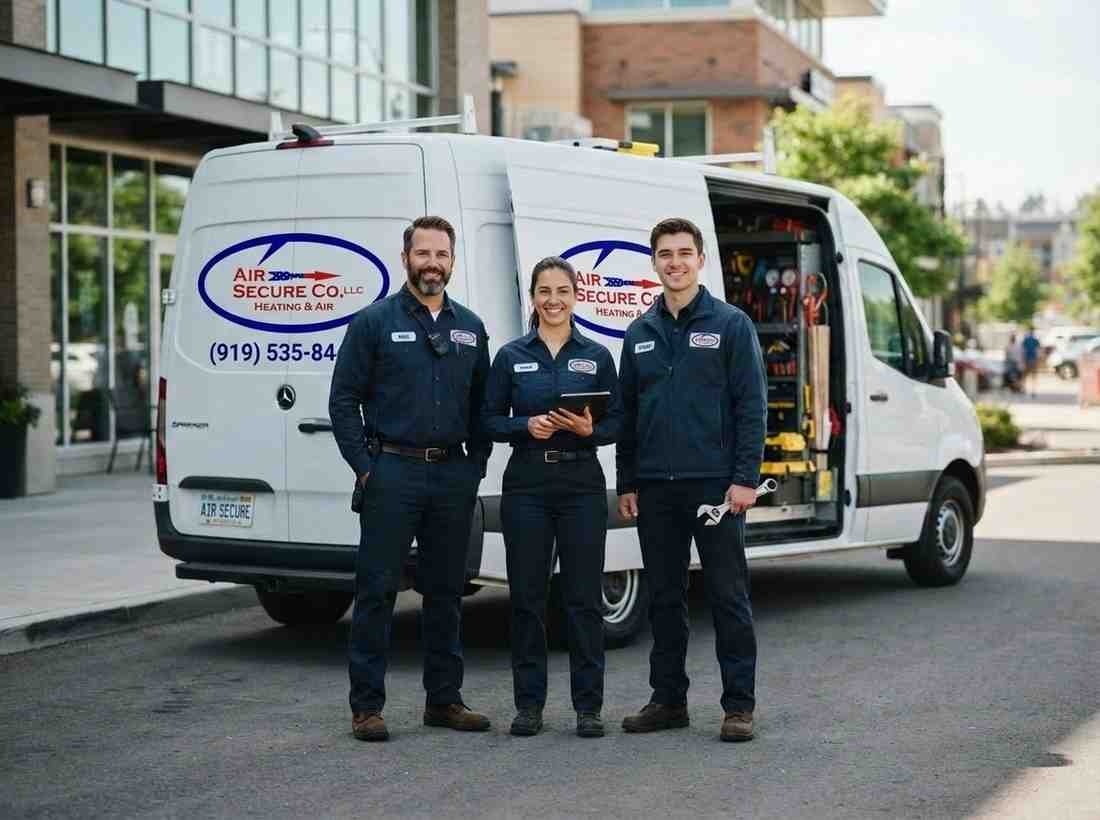
Companies like Air Secure Co., LLC, a licensed and insured HVAC provider based in Cary, NC, are built around this kind of full-service approach handling everything from routine tune-ups to indoor air quality upgrades so homeowners and business owners aren't stuck coordinating multiple contractors for one comfort system.
Frequently Asked Questions
How often should I schedule an HVAC tune-up? Most manufacturers and technicians recommend two tune-ups per year — one for your cooling system in spring and one for your heating system in fall, ahead of each season's heaviest use.
Can poor indoor air quality really affect my HVAC system's performance? Yes. Excess dust and debris make your system work harder to move air, which increases wear on components and can raise energy costs over time.
Is HVAC maintenance worth it if my system seems to be running fine? Yes many issues (weak refrigerant levels, worn electrical connections, clogged coils) don't produce obvious symptoms until they cause a bigger failure. Maintenance catches these early.
What's the difference between a repair visit and a maintenance tune-up? A repair addresses a specific problem after something has already gone wrong. A tune-up is preventive it's designed to catch small issues before they turn into repairs at all.
A comfortable, healthy home or business doesn't come from treating heating, cooling, and air quality as separate problems it comes from maintaining them as one connected system. Whether you're a homeowner trying to stretch the life of your current equipment, a small business owner keeping operations running smoothly, or a first-time buyer still learning what your new home's system needs, consistent care is what actually protects your comfort and your budget long-term.
If you're in the Cary, NC area and it's been a while since your system was inspected, Air Secure Co., LLC offers HVAC maintenance, tune-ups, and indoor air quality services throughout Wake County. You can reach their team at 101 Woodwinds Industrial Ct, Suite G, Cary, NC 27511, by phone at (919) 535-8442, or by email at [email protected] to schedule a service.